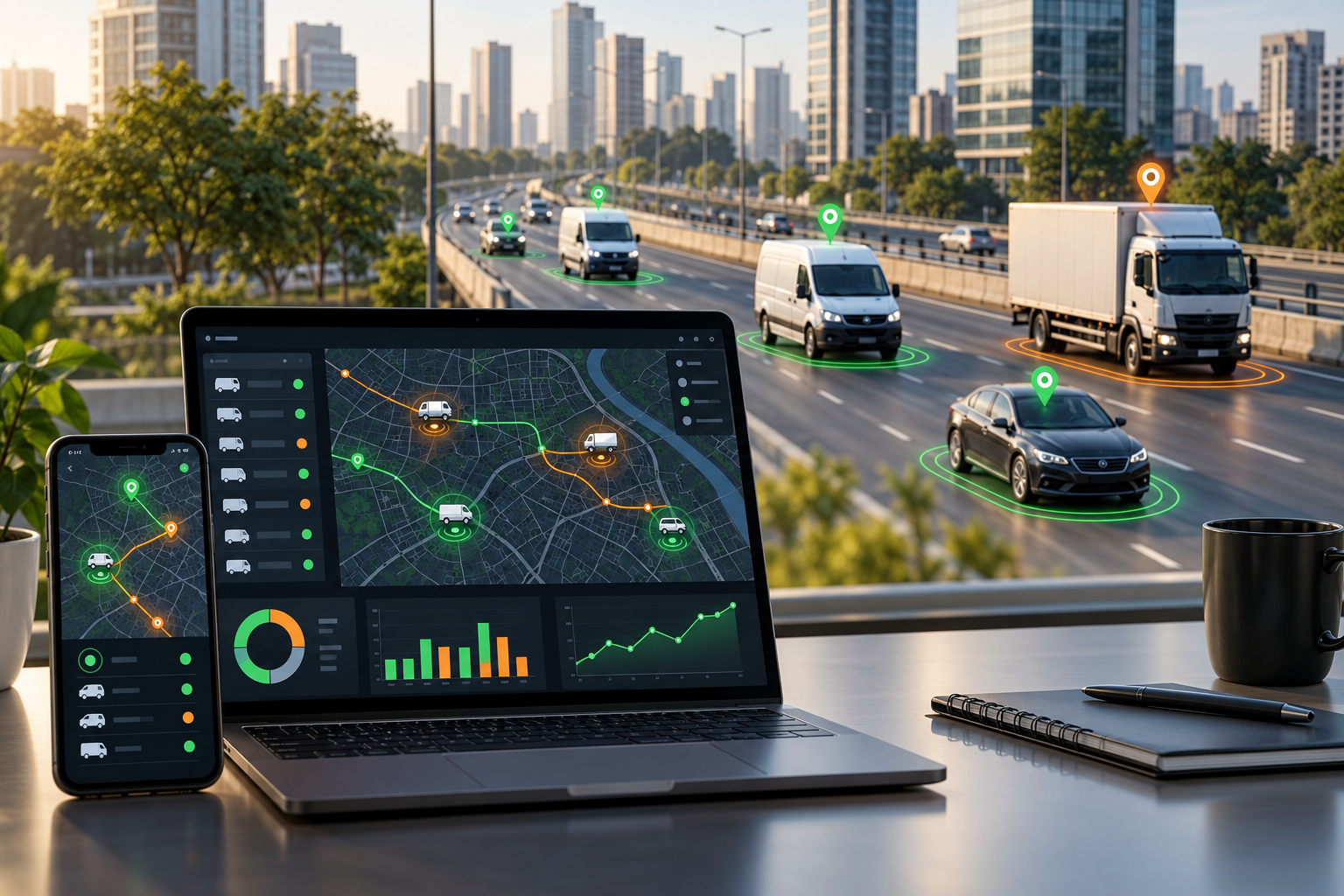
Managing several vehicles becomes difficult when a business does not have clear information about where those vehicles are, how they are being used, and what happens during each journey. Phone calls and manual reporting may work for a very small operation, but they become inefficient as the number of drivers and vehicles increases.
A fleet tracking system gives businesses a centralized way to monitor vehicles, routes, driver activity, and operational information through a mobile or web platform.
What Is Fleet Tracking?
Fleet tracking uses GPS technology to monitor multiple vehicles from one tracking account.
Each vehicle is fitted with a compatible tracking device. Location and activity information is then sent to a centralized tracking platform.
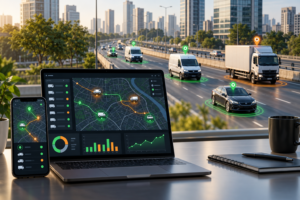
Instead of checking vehicles individually, a fleet manager can open one dashboard and view the status of the fleet.
This helps businesses maintain better visibility over vehicles that may be operating in different areas at the same time.
Live Fleet Location
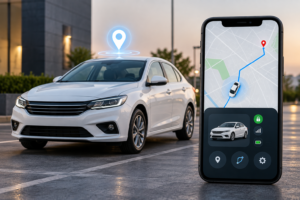
Real time location tracking helps managers understand where vehicles are currently operating.
A dashboard can show multiple vehicles on a map and make it easier to identify which vehicle is closest to a specific location.
This can be useful for transport companies, delivery businesses, field service teams, construction companies, sales teams, logistics operations, and organizations with company vehicles.
Better location visibility reduces the need for repeated calls asking drivers where they are.
Better Route Visibility
Route information helps businesses understand how vehicles move throughout the working day.
Fleet managers can review supported route history to see previous journeys, stops, and movement patterns.
This can help identify inefficient routes, unnecessary travel, unexpected stops, or repeated delays.
The goal is not simply to monitor drivers. The information can also be used to improve planning and understand how vehicles are being used in real operating conditions.
Improved Dispatch Decisions
When a company knows where its vehicles are, dispatching becomes easier.
Imagine a customer needs urgent assistance in a specific area. Without tracking, the dispatcher may need to call several drivers to determine who is nearby.
With live vehicle visibility, the dispatcher can quickly identify an appropriate vehicle based on location.
This can reduce response time and improve coordination between office staff and drivers.
For businesses where time matters, better dispatch decisions can have a significant operational impact.
Geofencing for Important Locations
Fleet tracking systems may allow managers to create geofences around important locations.
A company could create virtual zones around its office, warehouse, customer locations, project sites, delivery areas, or restricted locations.
Supported notifications can then indicate when a vehicle enters or leaves the selected area.
This helps automate routine monitoring.
Instead of continuously watching the tracking map, managers can receive relevant information when specific location events occur.
Driver Activity Monitoring
Fleet management is not only about vehicles.
Depending on the tracking system and package, businesses may be able to review information connected with vehicle usage and driving activity.
This can help management identify patterns that may require attention.
The objective should be to use tracking data responsibly and constructively. Businesses can use it to support safer driving, reduce unnecessary vehicle use, improve scheduling, and create clearer operational policies.
Drivers should also understand how company tracking systems are used.
Route History and Reporting
Historical information becomes particularly valuable when a business operates many vehicles.
A manager may need to review where a vehicle travelled on a previous date, confirm whether a location was visited, or understand how long a journey took.
Tracking history can provide a more structured record than relying only on memory or manual logs.
Reporting tools can also make it easier to analyse fleet activity over longer periods.
The exact reports available depend on the tracking platform and selected service package.
Reducing Unnecessary Vehicle Use
Company vehicles represent a major investment.
They also create ongoing expenses through fuel, maintenance, wear, and operational time.
Better visibility can help businesses identify unnecessary travel or unauthorized use.
When drivers know that vehicle activity is properly recorded, company vehicles are more likely to be used according to internal policies.
This does not automatically reduce every cost, but it gives managers the information required to identify possible inefficiencies.
Supporting Customer Service
Fleet tracking can also improve communication with customers.
If a customer asks when a service vehicle or delivery vehicle is expected to arrive, staff can check its current location instead of relying entirely on estimates from the driver.
This can help businesses provide more accurate updates.
For companies that send teams directly to customers, better visibility can improve the overall service experience.
Fleet Security
Businesses often have significant value tied up in their vehicles.
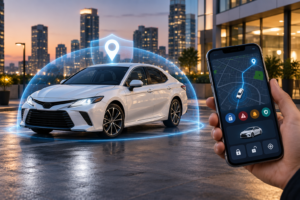
GPS tracking can support fleet security by helping management monitor vehicle location and supported alerts.
If a vehicle moves unexpectedly, leaves a designated area, or cannot be found where expected, tracking information can help the business investigate more quickly.
Some systems may also provide advanced security features depending on the installed hardware and selected tracking service.
Choosing a Fleet Tracking Solution
Businesses should choose a system based on their actual operational requirements.
A small company with a few vehicles may only require live location, route history, and basic reporting.
A larger operation may need longer tracking history, driver monitoring, geofencing, detailed reports, multiple user accounts, and centralized management.
Ease of use is also important. A system with many features is only valuable if managers and staff can use those features effectively.
Support and installation quality should also be considered before making a final decision.
Final Thoughts
Fleet tracking gives businesses more than a map showing vehicle locations.
It creates a centralized source of information that can support dispatching, route planning, vehicle security, customer communication, driver management, and operational analysis.
Businesses that understand how their vehicles are being used can make better decisions about how those vehicles should operate.
For companies managing several cars, vans, trucks, or service vehicles, GPS fleet tracking can provide the visibility needed to operate with greater control and efficiency.